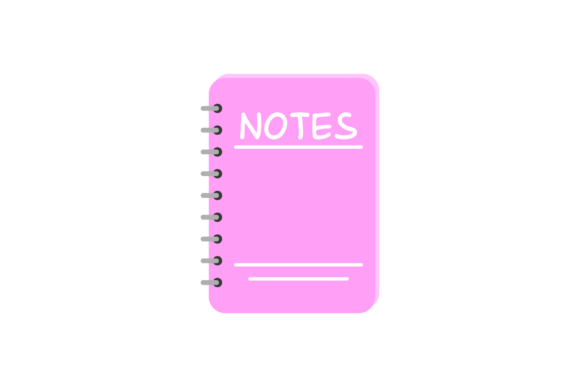
School Note Book Vector-41: A Designer’s Embroidery Review
As a designer who has spent years translating digital concepts into thread, I approach every new School Note Book Vector-41 file with a mix of curiosity and caution. We have all been there: you download a crisp, clean vector illustration, confident it will translate perfectly to fabric, only to find that the tiny details vanish under the needle or the density puckers your favorite cotton twill. Today, I am breaking down this specific asset not just as a piece of clip art, but as a viable component for real-world embroidery projects.
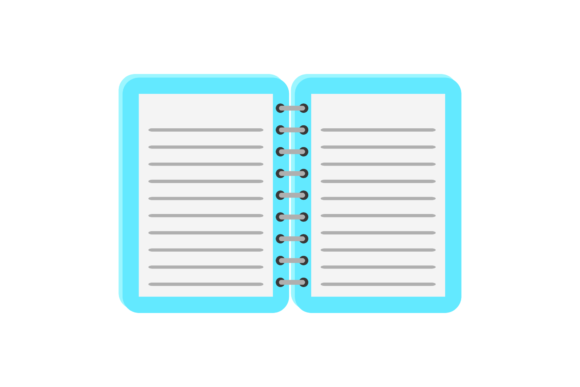
The first thing that strikes me about School Note Book Vector-41 is its nostalgic simplicity. It captures the essence of classic stationery—the spiral binding, the lined paper, perhaps a doodle in the corner—without overcomplicating the silhouette. For those of us working in Illustrations and Graphics, this clean aesthetic is a double-edged sword. It looks fantastic on a screen, but in embroidery, simplicity requires precision. There is nowhere for sloppy stitching to hide. However, when executed correctly, this design offers a charming, academic vibe that resonates deeply with current trends in back-to-school merchandise, teacher appreciation gifts, and literary-themed apparel.
Visualizing the Stitch-Out: From Screen to Fabric
Let’s imagine a practical scenario. You are preparing a custom order for a local boutique that specializes in teacher gifts. They want a set of tote bags and aprons that feel personal but professional. This is where School Note Book Vector-41 shines. Because the design is rooted in familiar imagery, it creates an instant emotional connection. A parent buying a gift for their child’s favorite educator wants something that says "thoughtful" without being overly sentimental. The notebook motif achieves this balance effortlessly.
When I visualize this design on a canvas tote bag design, I see potential for a mixed-media approach. The main body of the notebook could be rendered in a flat fill stitch to create a smooth, paper-like texture, while the spiral binding might benefit from a tighter satin stitch to give it dimension and tactile interest. If the vector includes any small text or doodles, these would need careful evaluation. In embroidery, what looks like a clear line in Adobe Illustrator can become a muddy mess if the stitch density is too high for the scale. My advice is to simplify any internal details. Let the shape speak for itself rather than trying to replicate every pixel of the original vector.
Navigating Fabric and Hoop Constraints
One of the most critical aspects of using School Note Book Vector-41 is understanding where it fits physically. This design is likely best suited for medium to large hoop size applications. Trying to cram a detailed notebook illustration into a 4x4 inch hoop for a cap or a small pocket patch is risky. The curves of the spiral binding, in particular, require enough space to maintain their integrity. If you attempt to shrink it too much, those curves will look jagged, losing the smooth, professional finish customers expect from a handmade product.
Fabric choice is equally important. On stable fabrics like denim, canvas, or heavy cotton, this design will hold its shape well. However, if you are planning sweatshirt embroidery or working with stretchy knits, you must prioritize your stabilizer game. A cut-away stabilizer is non-negotiable here to prevent the weight of the stitches from distorting the garment over time. For textured fabrics like terry cloth towels, you might need to adjust the stitch type. A standard fill stitch might get lost in the pile, so consider using a slightly denser pattern or adding an underlay to ensure the design pops against the fabric texture.
Color Theory and Thread Selection
The beauty of a vector-based asset like School Note Book Vector-41 is its flexibility. Since it is openable in programs like Corel Draw or Adobe Illustrator, you can easily manipulate the color palette before digitizing or generating your embroidery file. For a classic look, stick to whites, creams, and soft blues. But don’t be afraid to experiment. A pastel pink notebook on a navy blue hoodie creates a striking contrast that appeals to a younger demographic. Conversely, earth tones can give the design a vintage, journaling aesthetic that works well for adult planners and writers.
Always test your thread colors on scrap fabric first. Digital screens emit light, making colors appear brighter and more vibrant than they are in thread. A bright yellow that looks cheerful on your monitor might appear neon and cheap once stitched. Pull out your physical thread chart and lay it against your fabric. This simple step can save you from unraveling hours of work on a finished product that doesn’t quite hit the mark.
Commercial Viability for Etsy Sellers and Makers
For Etsy sellers and owners of small craft businesses, School Note Book Vector-41 represents a versatile asset in your library. It is not just for back-to-school season. Think about the year-round appeal: journaling communities, bullet journal enthusiasts, writers, and students. This design can be adapted for personalized gift items such as zippered pouches, laptop sleeves, or even embroidered patches for backpacks. The key to success here is presentation. When listing your items, use high-quality mockups that show the texture of the stitches. Buyers of custom apparel and accessories want to see the craftsmanship.
However, a word of caution regarding licensing. While the product description mentions it is suitable for design needs and includes vector files, always confirm the specific license terms before selling commercial embroidery items. Some assets allow for unlimited physical sales but restrict digital redistribution. Ensure you are compliant to protect your craft business from legal issues. If you are creating a digital embroidery file to sell to other machine owners, you must have explicit rights to distribute the digitized version, which is often different from rights to sell finished goods.
Practical Tips for Best Results
To get the most out of School Note Book Vector-41, follow these practical steps before you hit "start" on your machine:
- Test on Scrap: Always run a test stitch-out on the same fabric and stabilizer combination you plan to use for the final item.
- Check Density: If the design feels stiff after stitching, reduce the fill density in your digitizing software. Flexibility is key for wearable items.
- Simplify Details: Remove any tiny elements that are smaller than 3mm. They will not stitch out cleanly and may cause thread breaks.
- Contrast Check: View your design in black and white to ensure the shapes are distinct and readable without relying on color differences.
- Hoop Stability: Ensure your fabric is drum-tight in the hoop. Any slack will result in misaligned stitches, particularly in the straight lines of the notebook pages.
In conclusion, School Note Book Vector-41 is a strong contender for designers looking to add a touch of academic charm to their repertoire. It bridges the gap between digital Illustrations and tangible Graphics effectively, provided you respect the limitations of the embroidery medium. By paying attention to scale, fabric stability, and thread choice, you can transform this vector into a high-value embroidery project that delights customers and elevates your brand. Whether you are making a single holiday embroidery gift or stocking up for a busy back-to-school rush, this design offers the versatility and visual appeal needed to succeed in today’s handmade market.