Reviewing This Is What An Awesome Maths Teacher Lo
As a designer who spends more time staring at stitch simulations than actual fabric, I have learned that not every digital file translates well to thread. We see thousands of T-Shirt Designs and Graphics flooding the market, but few are vetted for the specific constraints of machine embroidery. Today, I am taking a close look at This is What an Awesome Maths Teacher Lo. This is not just a visual critique; it is a practical evaluation of how this design performs when pulled from the screen and put under the needle.
First Impressions and Visual Personality
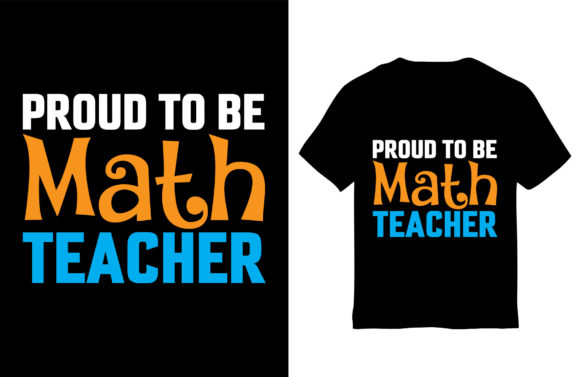
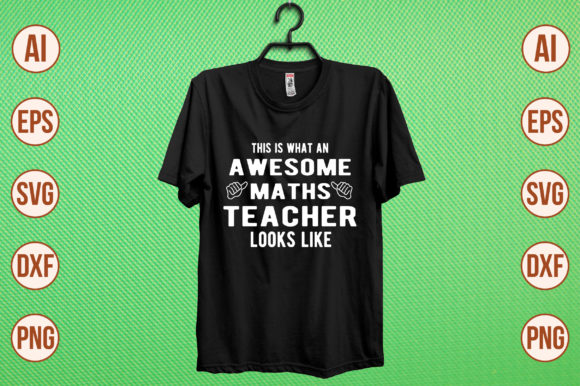
When I first opened the zip file for This is What an Awesome Maths Teacher Lo, my immediate thought was about clarity. The phrase suggests a playful, appreciative tone, likely aimed at educators who take pride in their subject. Visually, the layout appears balanced, which is crucial for embroidery. Unlike complex photographic prints, embroidery relies on shape and contrast. The design needs to hold its own without the benefit of infinite color gradients.
The mood here is lighthearted yet professional. It fits squarely into the niche of personalized gifts and appreciation items. For an embroidery designer, the key question is always: will the letters remain legible after stitching? From the preview files included—specifically the SVG and PNG—it seems the typography is bold enough to withstand the slight expansion that occurs when thread fills a shape. This is a promising start for anyone looking to create high-quality custom apparel.
Real-World Application: The Teacher Appreciation Sweatshirt
To truly test the viability of this design, I imagined a real-life scenario. A local boutique owner approaches me with a rush order for end-of-year teacher gifts. She wants to produce a line of sweatshirt embroidery pieces that feel premium, not cheap. This is where This is What an Awesome Maths Teacher Lo shines.
I visualized placing this design on the left chest of a heather grey crewneck. The placement is classic and understated. Because the design is text-based with potential graphic elements, it avoids the bulkiness of large fill areas that can make a garment stiff. For a handmade product intended for daily wear, comfort is paramount. The design’s structure suggests it would work beautifully as a small to medium-sized motif, avoiding the "cardboard effect" that plagues poorly digitized large logos.
Beyond sweatshirts, this design is versatile. It would translate well to a sturdy canvas tote bag design, where the texture of the fabric complements the raised texture of the thread. Imagine a math teacher carrying their grading papers in a bag adorned with this witty phrase. It adds personality to a utilitarian item, increasing its perceived value as a personalized gift.
Technical Considerations for Stitching
While the concept is strong, the execution depends entirely on the digitization quality, which we must infer from the provided file types. The package includes SVG, PNG, EPS, DXF, and JPEG files. It is important to note that for machine embroidery, you typically need specific formats like PES, DST, or JEF. The inclusion of DXF suggests compatibility with cutting machines like Cricut, which is excellent for vinyl applications, but embroidery machine users must ensure they have the correct stitch file format or use software to convert the vector data properly if a native embroidery file is not explicitly listed in the core embroidery formats.
Assuming you have the correct stitch file, let us talk about stitch density. Text designs often suffer from two extremes: too sparse, leaving gaps in the fabric, or too dense, causing puckering. For This is What an Awesome Maths Teacher Lo, I recommend using a medium-weight cut-away stabilizer. This provides the necessary support for the stitches, especially if you are working on stretchy fabrics like jersey knits for t-shirts.
If the design incorporates any filled shapes, consider using a fill stitch with a slight underlay to anchor the threads. For the lettering, a satin stitch is ideal for widths under 7mm, providing a smooth, glossy finish. If any elements are wider, a tatami fill might be necessary to prevent long floats that can snag. Always test on scrap fabric first. Check your thread colors against the fabric. A high-contrast combination, such as navy thread on a white polo, ensures readability, while monochromatic schemes offer a subtle, sophisticated look for boutique branding.
Navigating Fabric and Hoop Constraints
Not every surface is created equal. When using this design on curved surfaces like caps, you must be mindful of distortion. A cap requires a stiffer stabilizer and potentially a smaller hoop size to maintain tension. If the design includes fine details or tiny lettering, these may get lost on textured fabrics like terry cloth towels or rough linen. In such cases, simplifying the design or increasing the overall size can help maintain clarity.
For baby embroidery projects, such as onesies or bibs, softness is critical. Ensure that the back of the stitching is clean and free of scratchy knots. Using a soft tear-away stabilizer and trimming threads closely can make the finished product comfortable for sensitive skin. Additionally, avoid placing heavy stitch areas directly over seams, as this can cause needle breaks or uneven stitching.
Commercial Viability for Etsy Sellers and Makers
For Etsy sellers and small shop owners, this design offers a clear commercial angle. Teacher appreciation is a year-round market, peaking in May and December. Having a ready-to-use design like This is What an Awesome Maths Teacher Lo allows for quick turnaround times. You can create varied products: aprons for science labs, pillow covers for staff lounges, or even embroidered patches that can be ironed onto jackets.
The key to success here is presentation. Use high-quality printable mockup images to show potential buyers how the design looks on different items. Show it on a dark hoodie, a light tote, and a structured cap. This helps customers visualize the final product and builds trust in your craftsmanship. Remember, when selling physical items made with this design, you must adhere to the licensing terms provided by the creator. Since this is a digital download, confirm whether commercial use is permitted for finished goods.
Final Verdict and Designer Notes
In conclusion, This is What an Awesome Maths Teacher Lo is a solid addition to your library of design assets. It strikes a balance between fun and professional, making it suitable for a wide range of embroidery project types. Its strength lies in its simplicity and relatability. However, success depends on proper technical execution.
- Test First: Always stitch out a sample on your intended fabric before starting a production run.
- Check Formats: Ensure you have the correct embroidery file format for your machine, as the package lists vector and image formats primarily suited for cutting or printing.
- Stabilize Properly: Match your stabilizer to your fabric weight to prevent puckering.
- Contrast Matters: Choose thread colors that stand out against the fabric for maximum impact.
By paying attention to these details, you can transform a simple digital file into a cherished holiday embroidery gift or a best-selling item in your craft business. Whether you are creating commercial embroidery for a school store or a one-off personalized gift for a favorite educator, this design has the potential to deliver a polished, professional result.