School Colored Pencils: A Designer’s Review for Embroidery
As a designer who has spent countless hours digitizing and stitching out various motifs, I have learned that the simplest designs often present the most interesting challenges. When I first opened the file for School Colored Pencils, my initial reaction was one of appreciation for its clean, flat aesthetic. In the world of Illustrations and Graphics, minimalism is trendy, but translating that minimalism into thread requires a keen eye for detail. This review explores how this specific design holds up when moved from the screen to the sewing machine, offering practical insights for embroidery designers, Etsy sellers, and craft business owners looking to add educational or creative themes to their product lines.
First Impressions and Visual Personality
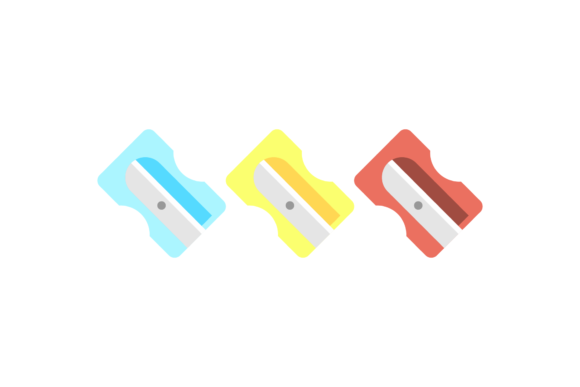
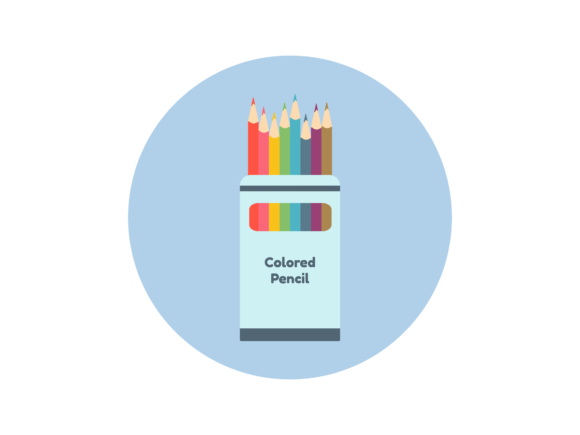
The School Colored Pencils design features a simple, flat layout that immediately communicates its theme without unnecessary clutter. The mood is cheerful, organized, and nostalgic, evoking memories of elementary art classes and creative exploration. For an embroidery project, this visual personality is a strong asset. It does not rely on complex shading or intricate gradients, which can be difficult to replicate with thread. Instead, it uses bold shapes and distinct color blocks. This approach is ideal for modern handmade products where clarity is key. The design feels approachable and friendly, making it a natural fit for items intended for children, teachers, or anyone with a love for stationery and art supplies.
From a technical standpoint, the flat design style suggests that the digitizer likely utilized fill stitches for the pencil bodies and potentially satin stitches for the tips or outlines, depending on the size. This combination usually results in a smooth, professional finish that lies flat against the fabric. However, the success of such a design relies heavily on the precision of the color transitions. In my experience, designs that mimic flat vector art must be carefully checked for jump stitches and thread trims to ensure the final stitched product looks as clean as the digital preview.
Real-World Application: The Custom Tote Bag Scenario
To truly evaluate the utility of School Colored Pencils, I imagined a common real-life scenario: creating a custom embroidered tote bag for a local teacher’s appreciation gift. Tote bags are typically made from canvas or heavy cotton, fabrics that have a noticeable texture. When planning this project, I considered how the design would interact with the weave of the fabric. The bold lines of the pencils should hold up well against the textured background, provided the stitch density is appropriate. If the density is too low, the fabric might peek through, breaking the illusion of the solid color blocks. If it is too high, the fabric could pucker, ruining the sleek look of the flat design.
In this context, the design shines as a centerpiece. Placed centrally on a natural-colored canvas tote, the vibrant hues of the pencils would pop, creating a striking contrast. This makes it an excellent choice for boutique branding or small shop merchandise where visual impact drives sales. For an Etsy seller, this type of clear, recognizable imagery performs well in thumbnail photos, helping potential buyers instantly understand the product’s theme. Whether used for back-to-school promotions or as a year-round item for art enthusiasts, the design offers versatility that goes beyond seasonal trends.
Versatility Across Product Categories
Beyond tote bags, School Colored Pencils has significant potential in other areas of custom apparel and home decor. For sweatshirt embroidery, the design can serve as a playful chest pocket accent or a larger back print. When working with fleece or jersey knits, however, caution is required. Stretchy fabrics demand proper stabilization to prevent distortion. I recommend using a cut-away stabilizer for garments that will be washed frequently, ensuring the design maintains its shape over time. The simple geometry of the pencils means that minor stretching might be less noticeable than with more intricate patterns, but best practices should still be followed.
The design also translates well to baby embroidery. On a onesie or a burp cloth, the colorful pencils add a whimsical touch that appeals to parents looking for personalized gifts. Here, scale is critical. The design must be resized to fit smaller hoop sizes without losing definition. If the pencils become too small, the individual color sections may merge, resulting in a muddy appearance. Testing the design at various scales on scrap fabric is essential to determine the minimum viable size for clear stitching.
For those interested in creating embroidered patches, this graphic is an ideal candidate. Patches often benefit from bold, simple shapes that can be easily cut and applied. The flat design style aligns perfectly with the aesthetic of modern iron-on or sew-on patches. Additionally, the design can be used for kitchen towels or aprons, adding a splash of color to functional items. In each of these applications, the key is to match the thread colors closely to the original digital file to preserve the intended visual appeal.
Technical Considerations and Potential Pitfalls
While School Colored Pencils is a strong design, there are areas where careful attention is needed. One major consideration is the use of dark fabrics. If stitching on black or navy material, the lighter colors in the pencil design may require an underlay or a base layer of white thread to ensure vibrancy. Without this step, the colors can appear dull or muted. Similarly, when working with textured fabrics like terry cloth or linen, the fine details of the pencil tips might get lost. In such cases, increasing the stitch density slightly or choosing a smoother fabric can improve the outcome.
Another point of caution is the corner details. Sharp corners in digital graphics do not always translate perfectly to embroidery due to the nature of thread movement. I advise checking the digitized file for proper corner handling, such as micro-stitches or adjusted angles, to prevent bunching or loose threads. Furthermore, if the design includes any tiny text or extremely thin lines, these elements should be reviewed closely. In a flat design, simplicity is a virtue, but it can sometimes lead to fragile stitch paths if not optimized correctly.
Practical Notes for Designers and Makers
Before committing to a large production run or a high-value client project, always test the School Colored Pencils design on a scrap piece of the actual fabric you intend to use. This allows you to check thread color contrast, stitch density, and overall balance. It is also wise to create black and white mockups to see how the design reads without color reliance. This helps identify any structural weaknesses in the digitizing.
Regarding the files provided, the zip package includes AI CS6, EPS CS6, SVG 1.1, PSD, PNG, and JPEG formats. These are primarily vector and raster image formats, suitable for graphic design, printing, and digital use. It is important to note that these are not standard machine embroidery file formats like PES, DST, or JEF. Therefore, if you intend to use this design for machine embroidery, you will need to digitize it yourself or convert it using specialized software. Always confirm licensing terms before selling finished items or digital products derived from these assets. For commercial embroidery projects, ensuring you have the right to use the graphic as a basis for your stitched work is crucial for maintaining professionalism and avoiding legal issues.
In conclusion, School Colored Pencils is a versatile and visually appealing graphic that offers great potential for creative entrepreneurs. With careful attention to fabric choice, stabilization, and color management, it can elevate a wide range of handmade products. Whether you are an experienced designer or a hobbyist looking to expand your portfolio, this design provides a solid foundation for creating charming, marketable items that resonate with customers.