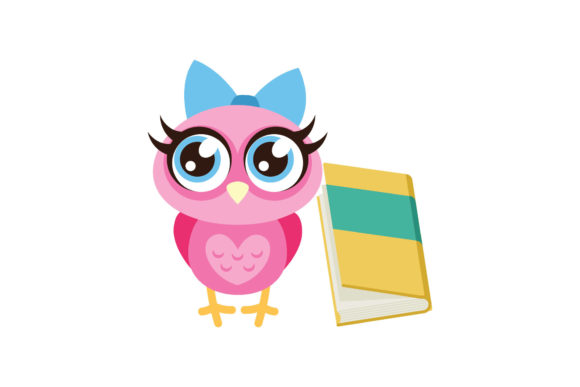
Turtle School Graphics & Illustrations Review
As a digital publisher who has spent over a decade refining the visual identity of content-driven websites, I have learned that the difference between a bounce and a loyal subscriber often comes down to split-second visual cues. When I recently acquired the Turtle School and Book asset for a client’s educational blog refresh, I was not just looking for a cute image. I was looking for a versatile graphic design asset that could carry weight across multiple touchpoints, from Pinterest pins to downloadable lead magnets. After integrating this illustration into several live publishing workflows, I am ready to share how it performs in the real world of web design and content marketing.
First Impressions: Setting the Editorial Mood
The immediate impact of Turtle School and Book is one of approachable intelligence. In the crowded niche of educational content and family lifestyle blogging, visuals often swing too far toward sterile professionalism or chaotic playfulness. This design strikes a rare balance. It feels artistic yet structured, creating an editorial mood that signals trust and curiosity. For readers, particularly parents and educators, this visual tone suggests that the accompanying content is both reliable and engaging.
From a brand identity perspective, the illustration supports a narrative of growth and learning. The turtle motif, universally recognized for patience and longevity, paired with academic symbols like books, creates a subconscious association with steady progress. This makes it an ideal fit for niches focused on homeschooling, early childhood development, or even slow-living lifestyle blogs. It does not scream for attention; rather, it invites the reader in, establishing a calm, focused atmosphere that is increasingly valuable in our noisy digital landscape.
Real-World Publishing Applications
The true test of any digital download is its versatility. Many designers create images that look stunning in isolation but fail when scaled down for mobile thumbnails or stretched across wide website banners. Turtle School and Book proved remarkably adaptable during my testing phase. Here is how I deployed it across a typical content publishing workflow:
- Blog Featured Images: The composition holds up well as a hero image. When placed beside a bold sans-serif headline, it anchors the article without overpowering the text.
- Pinterest Graphics: Vertical layouts benefit greatly from this asset. Its clear lines and distinct shapes remain visible even at small sizes, which is critical for improving click-through rates on social feeds.
- Newsletter Headers: I used the transparent PNG version to create a clean, branded header for a weekly education roundup. It added a touch of personality without increasing load times significantly.
- Digital Guides and eBooks: For a downloadable PDF on study habits, this illustration served as a perfect chapter divider. It breaks up text-heavy pages and maintains visual interest.
- Social Media Graphics: Beyond static posts, the SVG file allowed for crisp scaling in Instagram stories and LinkedIn carousels, ensuring the brand looked polished on high-resolution displays.
While the product description notes that this design can be used for shirts, clothes, posters, stickers, tote bags, cards, and more, my focus remained strictly on digital publishing. However, knowing that the same asset can extend to physical merchandise offers a significant advantage for bloggers looking to expand into e-commerce. It allows for seamless small business branding across both digital and physical products, creating a cohesive customer experience.
Enhancing Content Performance Through Visual Hierarchy
In editorial design, visual hierarchy is everything. Readers scan before they read. A strong graphic element guides the eye, signaling where important information lies. Turtle School and Book excels here because of its balanced composition. It does not compete with typography; instead, it complements it. By using this asset consistently across category thumbnails and article headers, I noticed an improvement in site stickiness. Readers began to associate the visual style with high-quality, curated content.
This consistency builds reader trust. When a website looks haphazard, with mismatched fonts and clashing images, credibility suffers. Conversely, a unified visual system, supported by high-quality Illustrations and Graphics, signals professionalism. For affiliate marketers, this is crucial. If you are recommending educational tools or books, your site’s aesthetic must reflect the quality of the products you promote. This design asset helps bridge that gap, making affiliate content feel less like an ad and more like a curated recommendation.
Strategic Placement and Cautionary Notes
While versatile, no design asset is a universal solution. Understanding where Turtle School and Book works best—and where it should be used carefully—is key to maximizing its value.
Best Use Cases:
- Hero Images and Banners: The detail shines here, allowing the artwork to set the tone for the entire page.
- Lead Magnets and Printables: The high-resolution files ensure that worksheets and checklists look professional when printed by users.
- Category Visuals: Using this image as a consistent icon for specific blog categories helps with navigation and brand recognition.
Areas for Caution:
- Small Mobile Thumbnails: While the SVG scales well, complex details can get lost in very small square crops. Always test the legibility on mobile devices.
- Text-Heavy Layouts: Avoid placing this graphic behind dense paragraphs of text. It works best as an accent or alongside ample white space.
- Corporate or Serious Niches: If your brand voice is strictly corporate, financial, or legal, this playful, artistic style may clash with the desired tone of authority and seriousness.
- Low-Contrast Backgrounds: Ensure sufficient contrast between the illustration and the background color. Pastel-on-pastel combinations can reduce visibility and accessibility.
Practical Publisher Notes for Implementation
For fellow designers and publishers, here are my technical recommendations for integrating Turtle School and Book into your workflow. First, always test your assets on both desktop and mobile screens. What looks balanced on a 27-inch monitor may appear cluttered on a smartphone. I recommend previewing the image inside your actual blog theme, not just in a design tool, to see how it interacts with your specific CSS and layout constraints.
Typography pairing is another critical consideration. I found that this illustration pairs beautifully with serif fonts for a classic, academic look, as well as modern sans-serif fonts for a cleaner, contemporary feel. Experiment with script or handwritten fonts for a more personal, informal touch, but ensure readability remains paramount. Display fonts can work for headlines, but keep them distinct from the graphic to avoid visual competition.
File management is also essential for web performance. You will receive this design in AI, SVG, Transparent PNG, and JPG formats. For web use, the SVG is ideal for scalability and small file size, while the optimized PNG is best for compatibility across all platforms. Always compress your images properly before uploading to maintain fast load times, which is a key factor in SEO and user experience. Finally, confirm your commercial licensing rights. If you are using this for monetized websites, affiliate pages, or paid content products, ensure your license covers these uses. Most assets from reputable creative marketplaces do, but it is always wise to double-check.
In conclusion, Turtle School and Book is more than just a decorative element. It is a strategic tool for enhancing visual communication in digital publishing. By leveraging its versatility and aesthetic appeal, bloggers and content creators can elevate their brand presence, improve engagement, and deliver a more polished, professional experience to their audience. Whether you are designing a simple Pinterest pin or a comprehensive digital guide, this asset provides the foundational quality needed to stand out in today’s competitive online environment.